With only a week off for Christmas break, aifares being exhorbitant and too late to get Mia looked after, I opted to stay put this Christmas. I thought I’d indulge in champagne and tiny morsels of Christmas food, watching movies, reading and sleeping. I put up my little tree and made it festive with bows and ornaments and a set of blinking lights. The wreath was hung on the door of my partment announcing Christmas had arrived. The apartment had been tidied and cleaned, champagne and foods purchased, menu planned. All set. I’d turned down various invitations to join people and thought I just wanted to veg out and indulge in being totally selfish and decadent with champagne as my morning beverage and then I’d take it from there. Well that was the plan.
But come Xmas Eve I suddenly felt incredibly lonely. The Christmas lights on the tree rotated from full, to flickering, to a moment’s darkness before resuming their cycle and it was in that moment of darkness that I felt it most: lonely and bereft. The Christmas lights became a metaphor of how things were – bright lights with Michael, flickering and joyful with possibilities; the darkness: my lonely present.
I always loved Christmas, the expectations of festitivites, preparing special food and indulging in the joy of being together with those we loved. Tree dressed, table set, tiny courses of food prepared and presented along with wine, music and laughter. Lots of naps, movies and sport on tv in between. Good times shared.
I’ve come to realise how difficult it is to share joy when I’m solo. When Michael died he took away the joy. Being on my own doesn’t feel so fabulous. It just feels empty and lonely. And Christmas is just another day when the shops are shut and no one is home.
But tomorrow is another day and Mia and I will go and visit my folks and walk along the beach and I’ll feel grateful for both Mia and the beach – a panacea for all ills.
Last month I was dealing with an identity crisis: I didn’t know how to be a woman who still felt young, encased in an older body, and on my own with no-one to share my life. I think I have now come to terms with being my own person, with my individual style and dress sense and the age I am. I’m coming to terms with wrinkles and crepey neck and a body that is no longer tight and fit. Still slim and flexible, but clearly an older woman.
This month I have been thrown into something more profound and cataclysmic: an existential crisis. I have to move from the place that M and I had been living in in Brisbane. It was meant to be a temporary move just until I finished my PhD. Well , PhD done, and I had been thinking about moving on; getting rid of possessions that no longer serve my needs, including all those things that M and I had purchased in anticipation of our future plans, trips, dreams. I never got around to culling these possession – always on my “to do” list. There seemed plenty of time. But now I have to act fast. I have to cull and sell and pack and move. But I don’t know where to. Nor do I know how to. Every time I think about it I just get overwhelmed and think “I don’t know how to do this on my own.” I panic and my anxiety kicks in and nausea assails me. I feel impotent and fragile. In saner moments I know I can get through this. I know what I have to do and how. I just need to get on with it. Except that I feel so stuck; I seem to be living in a state of perpetual vacillation between “can do” and “can’t do”. Hamstrung by my own inability to get on with it, despite all good intentions and list making each and every morning.
And now, into this frame of confusion and uncertainty has come a thought that is yet unformed but has the potency to unravel me: why? What is the point? I am on my own and I don’t see the point of my ongoing existence. My kids are adults functioning well in the world and negotiating their way with jobs and friends and projects, desires and plans. My parents are very old (my dad turned 98 in February); their time is limited. They have lived the life they wanted to live; did the things they felt brought meaning to their existence and those around them: kids, friends, family. They admirably dealt with all the difficulties life threw at them and soldiered on.
When I consider my future, it isn’t exciting or even interesting. I have no money to indulge in travel or a life of enjoyment or even just getting by. It would just be a grind: working hard to pay the bills to keep on but barely able to keep up. So, I wonder: to what end? For what? Why? Why is it necessary for us to keep on keeping on? I think I’ve had enough. I feel too tired to embark on the incumbent hardships of life as a pensioner without means or assets, with nowhere to go and no-one to share with. What is the purpose of life? This is of course an existential question that many have addressed. For me it is less profound. It just seems somehow futile to keep on keeping on.
Earlier this week I defended my PhD. This was a milestone moment in my life. I had always wanted to do my PhD but thought it would be in the area of Art history – my great passion. Instead, I embarked on a journey to recount the history of my maternal heritage. White Russians who fled from the cursed Red Bolsheviks during the Russian Revolution and Civil War. My grandfather was a naval officer fighting for the White (Tsarist) Russians. He was captured by the Reds and about to be executed, but for an incredible twists of fate which enabled him to escape, and together with his wife, flee on foot some 800+ kilometres to Harbin in Manchuria (China) with the help of Chinese guides.
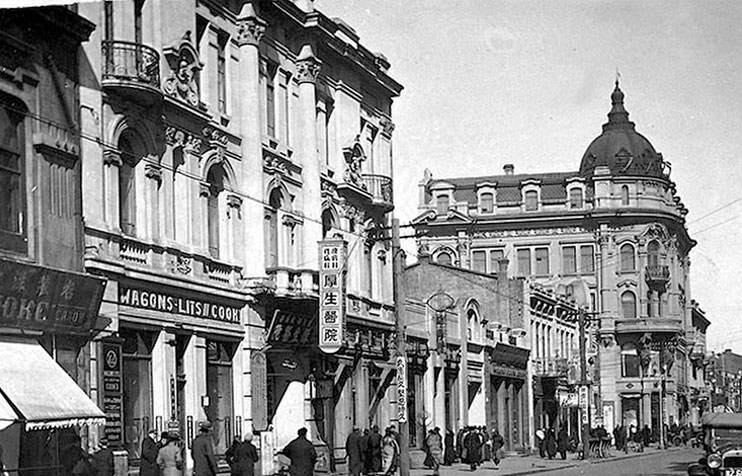
Harbin was a city settled by Russians to extend the Trans-Siberian Railway. As such it was developed as a wholly Russian city. My mother was born there. Manchuria, in north east China, borders Russia and it was a heavily geopolitically contested area, rich in resources, but more significantly, strategically important. The Russians, the Chinese and the Japanese all wanted to rule this place. And they did, successively. First the Russians, then the Chinese, then the Japanese and then the Soviets and finally the Chinese Communist Party. No-one really wanted theses leftover Russians and in the end, they were expelled by the Chinese Communist government in the late 1950s. Many came to Australia.
The majority of these original Harbiners are old and few are left. My mother is now in her late 80s. China has re-written its history to reflect that they were the original settlers, not the Russians. Manchuria is no longer; it has become part of the province of Heilongjiang. During China’s cultural revolution churches and other Russian buildings and evidence of their presence were torn down, burnt, eradicated. This is revisionism.
Harbin’s history is disappearing. When the last of the Harbintsy die will their history also die? Will it become unknown? I feared it would and so I embarked on writing this history of how they came to be there, what they did, how they survived various occupations, and how then they came to Australia. It was a huge undertaking, particularly during Covid when I couldn’t travel to access archives and none of the libraries or other institutions were lending material. I did the best I could with what was available and wrote my dissertation. I submitted it with great sense of “wow, I’ve done it” and waited for the next step.
The examiners’ reports. There were two reports, one was extremely favourable and required no changes; the other, was 19 pages long full of “suggestions” which I duly undertook. They were actually really helpful in enabling me to tighten up and better articulate some of my arguments.
Then came the big one: the oral examination in which I get to defend my thesis and convince my examiners it is worthy of its research and contribution to scholarship. The thing about this “defence” is that it is an unknown quantity. You have an opportunity to present your findings and what you believe the value of your dissertation brings, and then …. well, let’s just say that some “examinations” have been known to last 8 hours. You just never know.
Mine was quick. Just 90 minutes and a very positive outcome. I have to admit I was incredibly stressed beforehand and very nervous on the day but I felt confident that my presentation was good and I was pleased to see the examiners nodding away. At the end of it, I was congratulated on my achievement and advised to turn it into a book.
Hooray I did it.
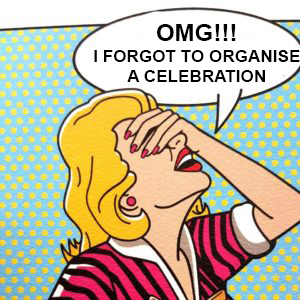
But I felt a bit like Elia Doolittle in My Fair Lady where Prof. Higgins and Col. Pickering are congratulating each other … “you did it” and Eliza is somehow left out of the celebrations. So, although my children and friends sent me wonderful txt responses, I realised I had no-one to celebrate with. Here was a milestone moment in my life, a huge achievement, and I was alone. I did consider going out to sit at a nice restaurant and have a drink and something to eat but realised it was Valentine’s Day. Nothin doing. I couldn’t even buy myself nice flowers because my florist said all they had was Valentine Day bouquets. Pooh.
I felt sad and lonely. Michael would have had a bottle of champagne waiting in the fridge (no matter what the outcome) and we would have gone out for lunch. I did put a bottle of champagne in the fridge and had a glass (well, more than one…) but it just didn’t feel the same. There were no hugs. No huge smiles and congratulations. Here was an epic moment in my life and I felt let-down. By myself.
I only had myself to blame for not organising anything. I guess I’m still not used to living solo and negotiating all those moments when life demands a response. So here I sit and raise the last glass of champagne from the bottle to myself and my incredible achievement. Salut!!
You did it You said that you’d do it And indeed you did.
I have recently become widowed. As such my life is in limbo. I have no idea of what to do or how to live my life. My husband was my greatest companion. We pretty much did everything together – yoga, taking the dog for walks, going to the dog-friendly oval for catchups with other dogs and their humans. We liked hanging out together. There was nothing better than spending the weekend ensconced in our readings with beers or glasses of wine, foraging for food every now and again. Even our meals were constructed together. We would always ask each other what we felt like for dinner and then, having decided one of us would cook. More usually it was me, mainly because I enjoyed cooking, but also because I had a larger repertoire and was interested in trying new things. Michael generally stuck to his stock standard Indian meals, which I loved. Now I have to learn how to create them.
At the start of the year we bought a big tent so we could go camping with Mia, our Italian Greyhound. And a bigger car to accommodate the camping gear. It had been a while since we’d gone camping, though it was something we always loved doing. More recently our holidays were in more exotic locations overseas. But a lack of income and a dog meant that holidays now were dog-friendly camping. Then COVID hit and there went camping. The tent stayed in its box in the garage. Then Michael died and every time I look at the tent I feel sad about all the possibilities that are no longer available. I now don’t have anyone to go camping with and I doubt that I will go camping on my own. So the tent needs to be listed for sale. As do so many other things in my home. It’s now “my home”, no longer a shared space despite all the things that belonged to “us” or Michael. Every object reminds me of him and makes me feel bereft. A life gone. I don’t know what to do with all his things. His collection of esoteric books, his wonderful classical music collection, the super expensive blue-tooth headphones that I bought him so he could listen to his music solo (I got tired of saying “honey I’m home – turn off the German music”).
I have no idea of what to do. It feels too hard to move – so many things. And it feels strange to stay. I try to keep doing what I have always done but now I do them solo and I don’t have anyone to share them with. It feels strange. A life half-lived.
I have a hankering to write about things. Random things that come to me such as my frustration with traffic not obeying my rules and making it impossible for me to get somewhere on time, or my absolute delight at seeing an art exhibition that leaves me feeling joyful and inspired. Awed, thwarted, amused or just frustrated, I want to share my musings and reflections to convey a sense of just how wondrous and crazy life can be.
Food and wine are my greatest pleasures. I think about food all the time, mainly what I would like to eat/cook. My greatest joy is coming home at the end of the day, pouring a glass of wine and starting to cook. When I go away on holidays and have to eat out three times a day, I get a bit stir crazy. For me, thinking about food, shopping for food and preparing food is as important as eating food. And without the former, life is just not the same.
Travel for me is all about the experiences – discovering new places, people, food, and inevitably, finding my favourite haunts – little local eateries in Paris and Madrid, Kuala Lumpur and Ubud. It’s so delightful to have a ‘go-to’ place where the owners remember you the next time you come, be it the next day or the next year. Traveling to unfamiliar places is exciting – the anticipation of what’s to come, often not knowing what to expect. Dealing with all the frustrations of travel, things that can (and do) go wrong, is all part of the adventure and excitement. Journeys of discovery – not only of places, but often about myself. So many places to see – so little time.
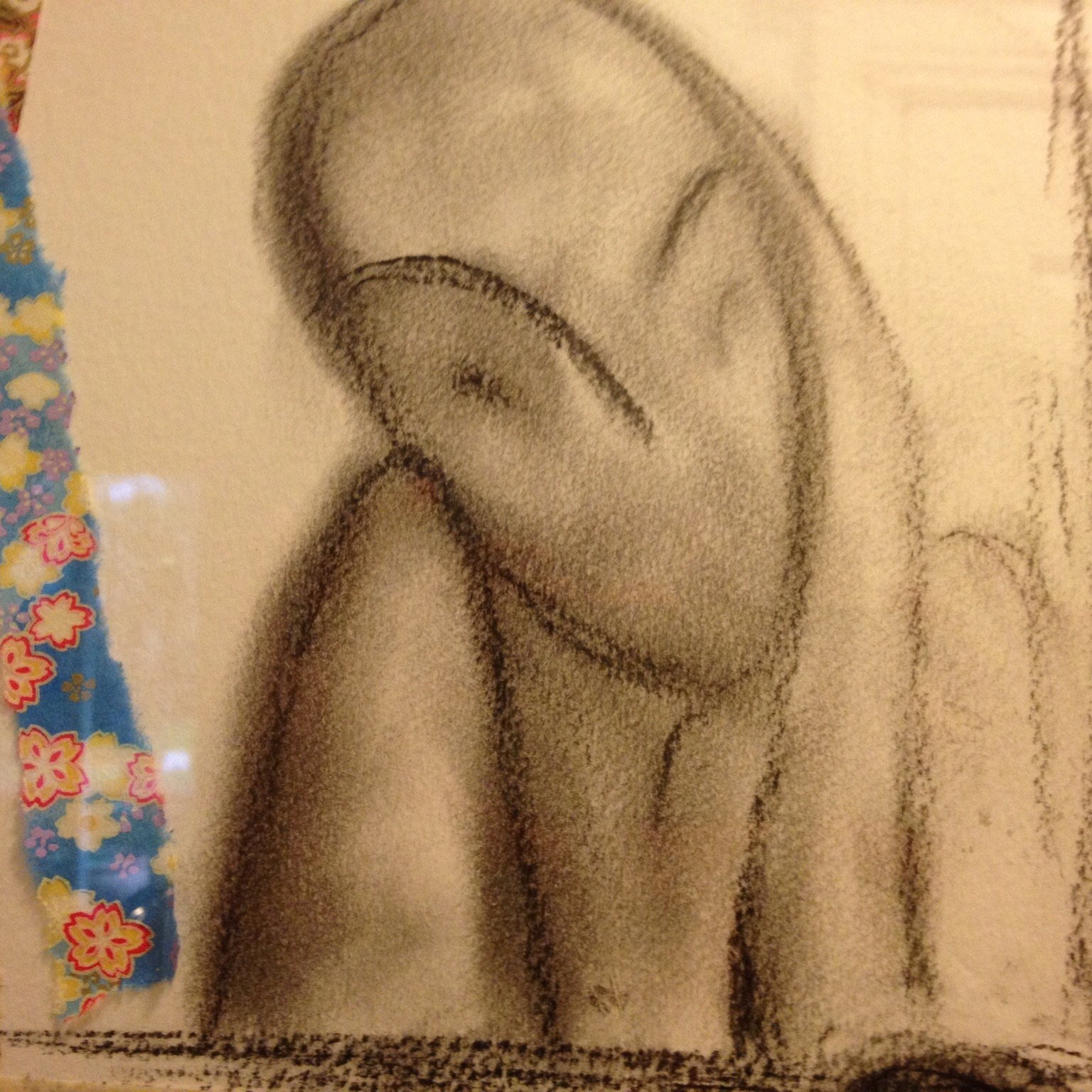
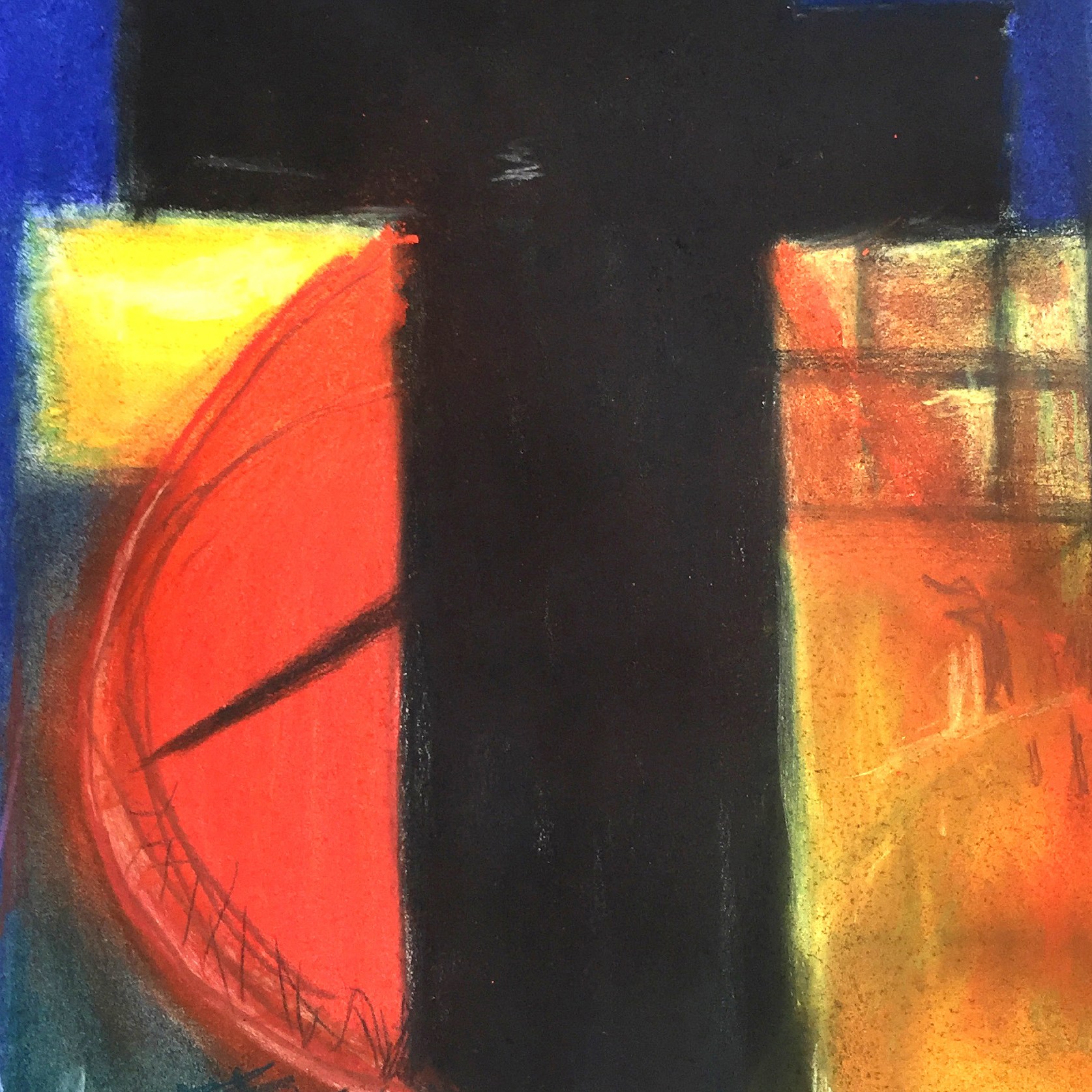
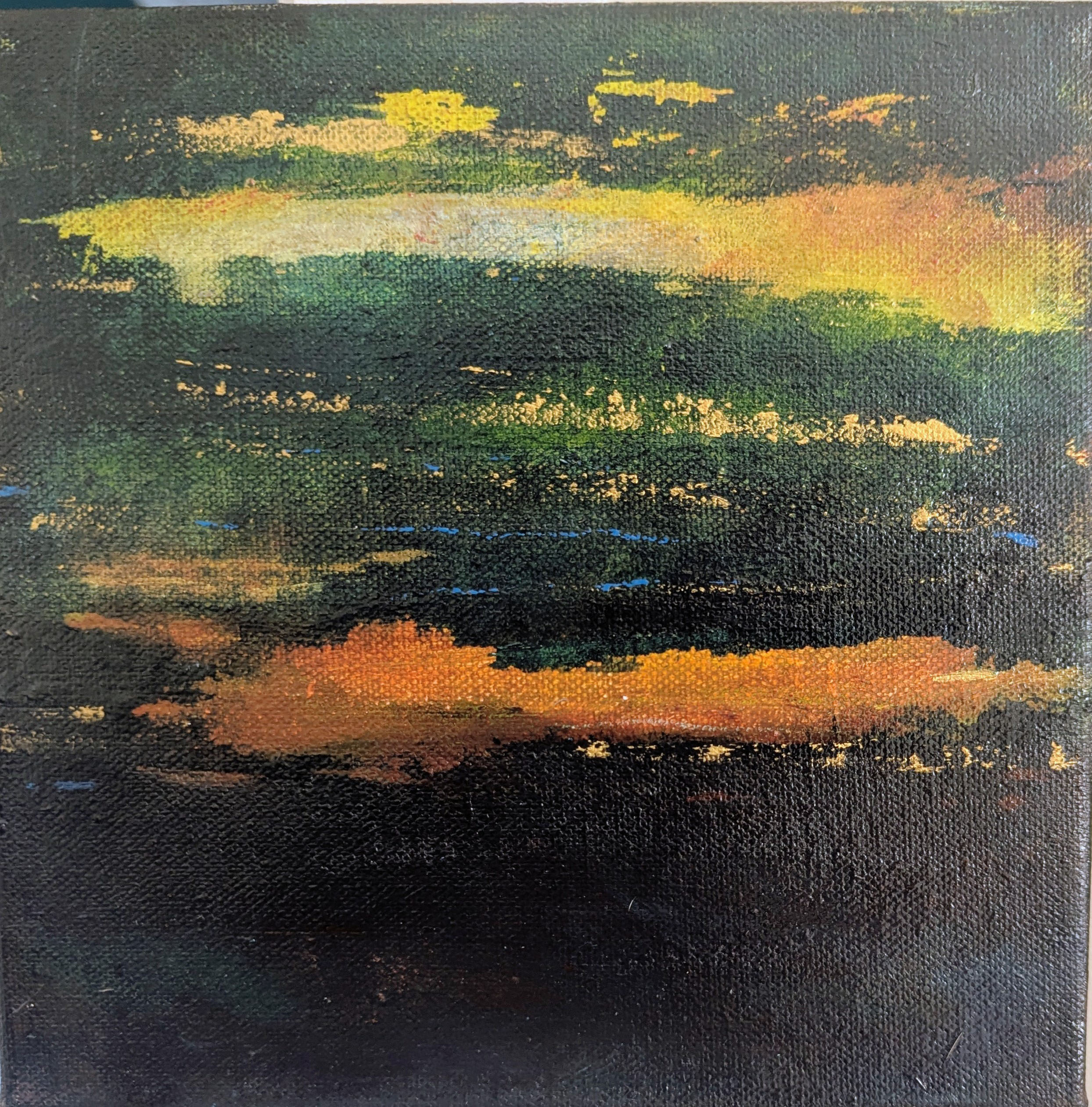
My artwork evolves out of all these experiences – visual, emotional and ever-evolving. I work in so many mediums I feel like a master of none. I began my art journey at an art & design college where I majored in sculpture (casting) and printmaking (etching). From there I discovered my love of art history and went on to complete a number of degrees in visual art. It was a while before I took up making art again and when I did it was making small clay sculptures that I then cast in concrete and marble (and later bronze). Only much later did I begin painting. It was a case of necessity: impossible to find a ground floor studio to cast sculptures and making time for a baby that required vigilant care. Painting in my garage meant I could easily paint in between feeding, washing, cooking and all those other things that mothers need to do. I was fortunate enough to know and work with some truly remarkable artists whose work and conversations inspired me to be more creative and explore. I continue to explore – both in terms of my form and style and the mediums that I use.
When I sent my manuscript to publishers, I felt that I had achieved something and the outcome wouldn’t matter. What was important was that I had written the book and submitted the manuscript. Achievement enough.
Today I received my first rejection. It was nicely phrased: “we enjoyed reading your manuscript”, but then came the punch: “we will not be making an offer for publication”. There it was: rejection. Which is how I felt. Suddenly, I felt that my manuscript probably wasn’t very good (not good enough) and that by extension, I wasn’t very good. I felt like a failure: I had been rejected. I realised I had my ego tied up in this manuscript, but it was, after all, my writing.
As much as I try to convince myself it doesn’t matter – and remind myself that two other publishers have yet to respond – the reality is, it does.
On the bright side: I can call myself a real writer now that I’ve been officially rejected.
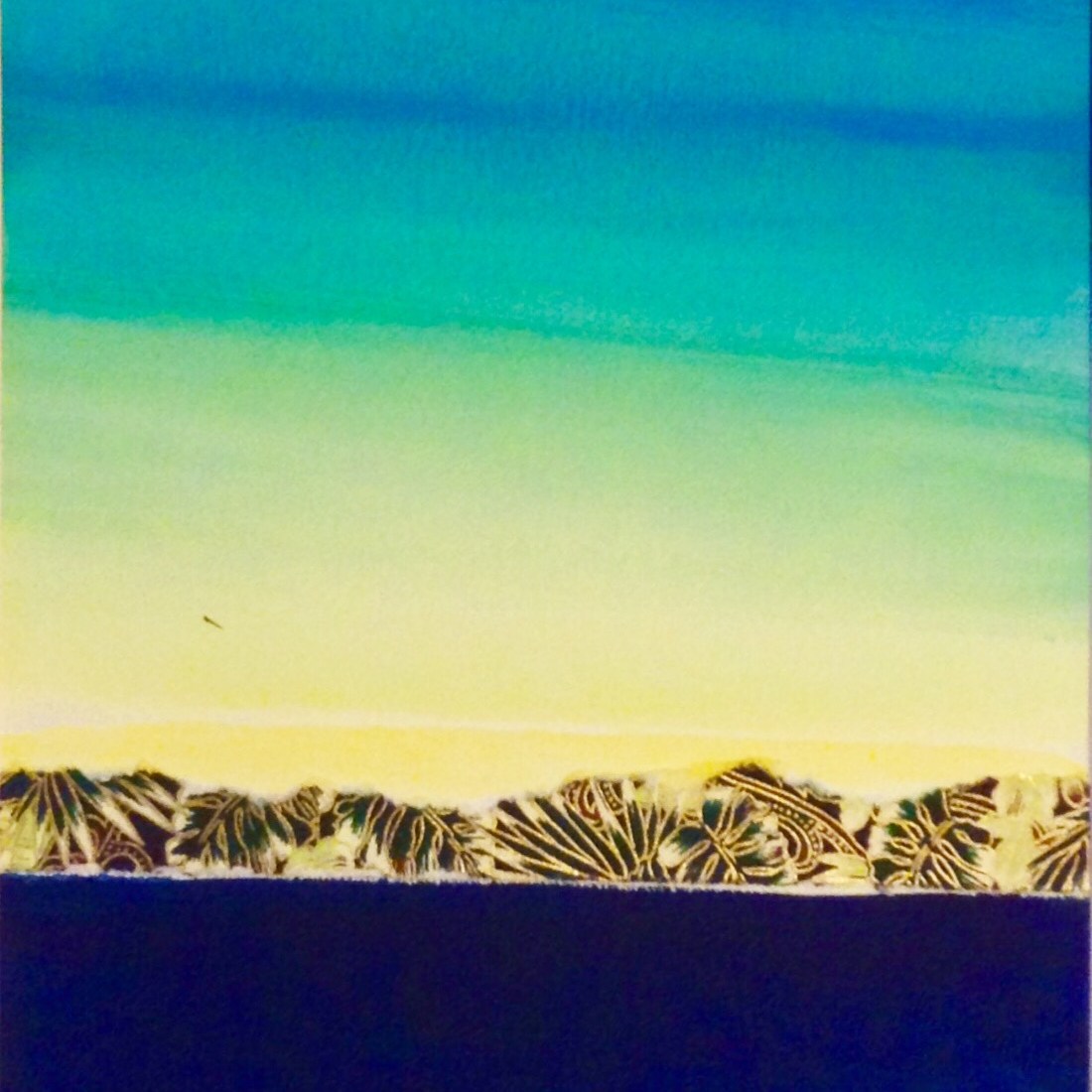
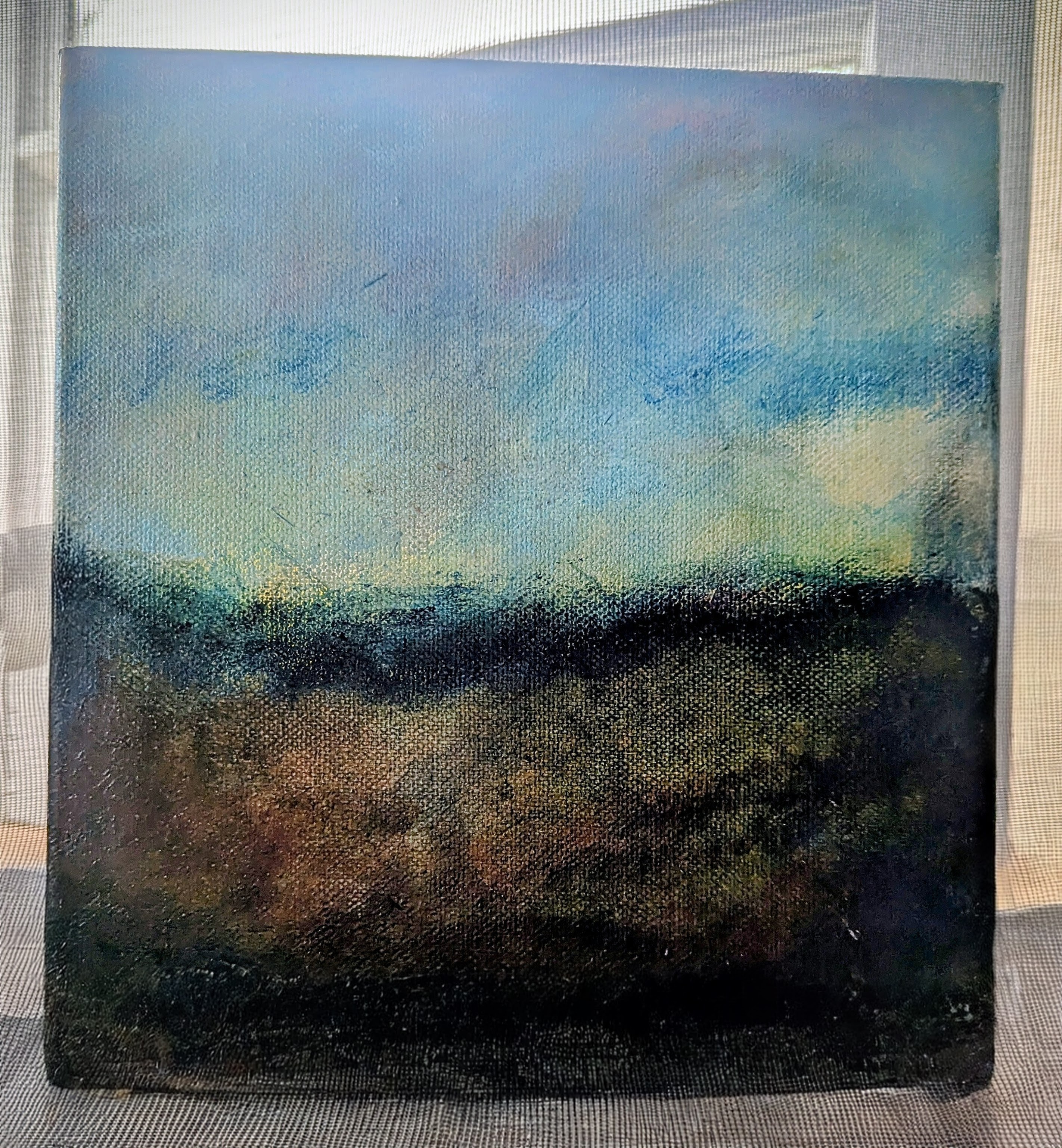
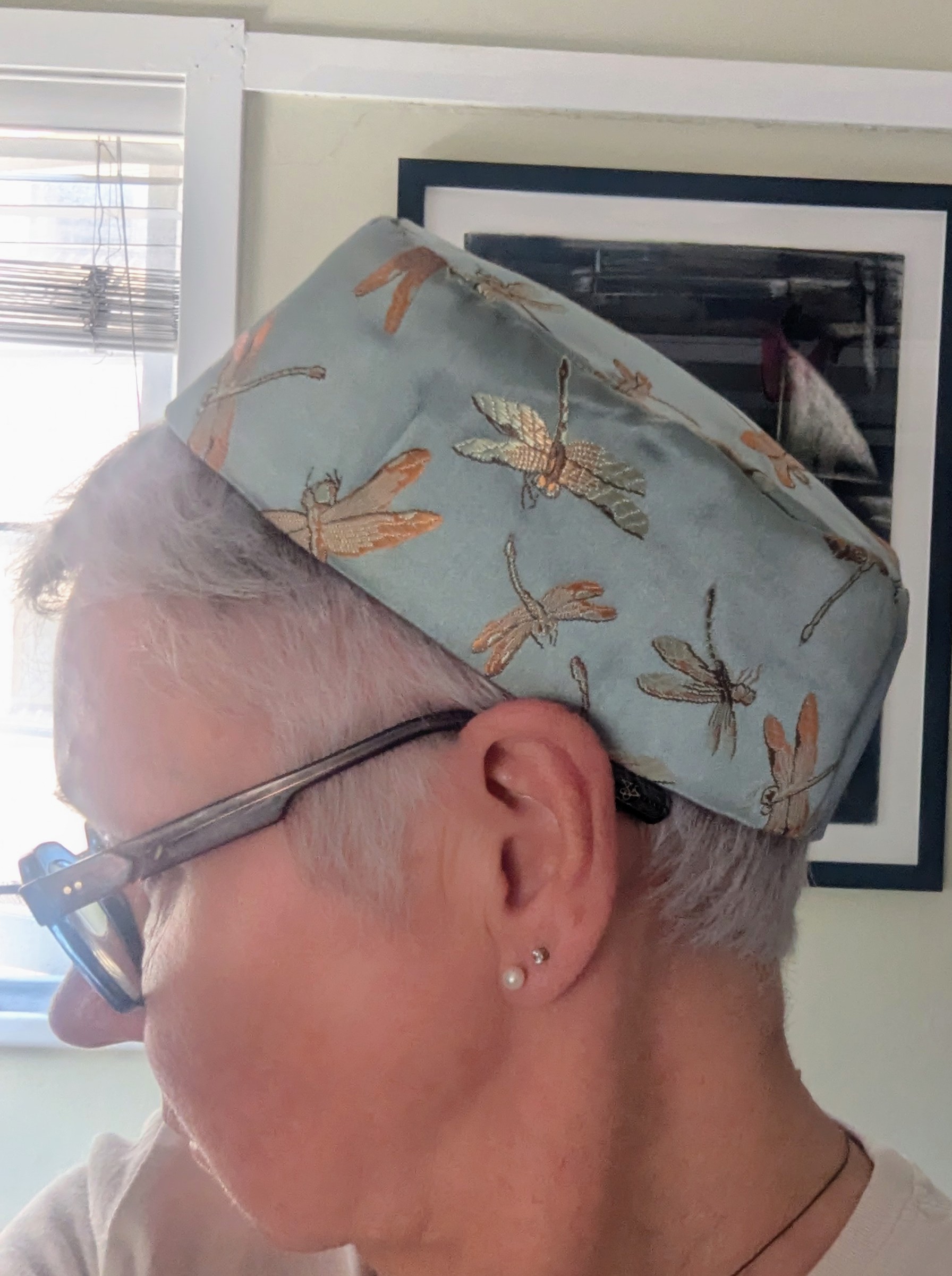
It’s been a while since I wrote here. I’ve been caught up with turning my thesis into a manuscript for publication, and finally, last week, I submitted it to publishers. It feels quite cathartic, having spent so much time on it. Now I find myself with time to spare and a need to do things. My activities have been plentiful: two small paintings for an exhibition; sewing pillbox hats; and some clay work.
I would like to say that I’ve embarked on these projects in a progressive and methodical way, but no. All three at once. Once I get an idea into my head, I’m compelled to begin immediately, no matter what else is going on. So here I’ve been, madly completing paintings on my desk (amongst my marking papers and other mess), sewing machine and ironing board out to make my hats and a slab of clay that sadly dried out due to my inattention.
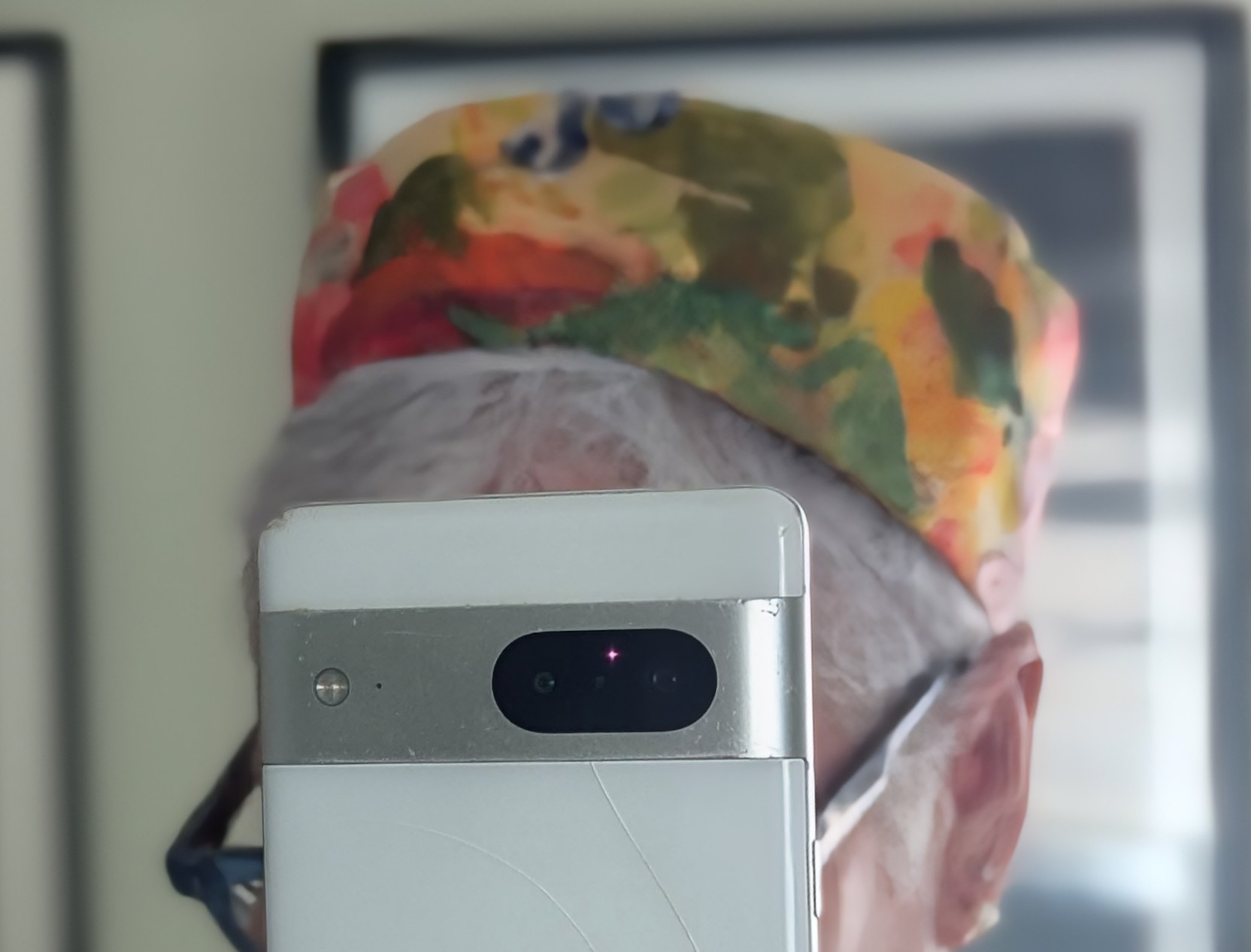
Pleased to report one of the paintings was finished and sent off (I realised I was overstretching myself trying to get two done in such a short period of time), two pillbox hats successfully created and worn with great aplomb.
The saga of the clayworks continues with me trying my hand at using porcelain.
Catfishing: the process of luring someone into a relationship by means of a fictional online persona.
6 signs someone might be a catfish
You’ve searched their name on the internet but they don’t seem to exist. Or they do, but the photos don’t match the photos on their dating profile.
They’re asking for money early into your relationship. They might be saying it’s to come and visit you.
They’re telling you they love you, but you’ve only been talking for a couple of days or weeks.
They’re avoiding face-to-face contact, either meeting up or video chats.
They’re just a little bit too perfect.
Their stories sometimes conflict with each other, or don’t quite add up.
I’vebeen catfished. I decided to try an online dating app. I swiped left a lot. I connected with a couple of guys but it went no further than one or two responses.
And then I saw a guy whose smile appealed to me. I said “hi, you have a nice smile “ and it went from there. Very quickly we were chatting (texting) all the time – a couple of times a day. I suggested we meet for a drink but didn’t get the response I wanted. Fair enough, I thought, too early. Let’s just see how it goes.
But as the days went on and we texted more I began to really like this guy. I found myself thinking about him and smiling a lot. We were sharing so much information about each other – how our partners died, children, work, etc. And then he said “I love you.” This took me aback. It wasn’t possible for someone to fall in love with someone so quickly, especially without having met them. But I continued with the conversations and soon enough I found myself responding in the same vein. We talked about our future, spending Christmas together with our children, his new house that was soon to be completed.
And then, just as I said we really had to meet in person, he had a contract overseas. He sent me through his flight itinerary (which I found a bit weird) and then rang me on arrival at the airport (though it was hard to hear anything). He also sent me documents of the contract he was awarded and signed. We made plans. He was flying back for a couple of weeks and we were going to spend that time together. Our relationship seemed to escalate and desire set in. I never thought I would have a relationship with anyone again. I was so happy.
And then thing started to go awry. Something was wrong with the work and … he was short of funds. At that point I had expected him to ask me but he didn’t. He simply said that on his return to Australia he would be able to access his money and fix things up. All good. I must say I was relieved because it had started to feel a bit wary.
He said he and his daughter chatted every day. I thought that strange but she’d lost her mother so maybe they were closely bonded. He told me that he’d told her about me and she was really supportive. Then his daughter texted me to say how pleased she was that I was in her dad’s life and that she’d not seen him this happy for such a long time. All nice enough except she also said she was happy to have a new “mom”. Why would a 20 year old say that? It doesn’t make sense. Then I checked her phone number and it wasn’t a Florida number but one in Minnesota – thousands of miles away. I began to suspect I was being had. It was all too good. She was vague on details in answering my questions but seemed to have all my information at hand. Hmmm.
I asked him about that and got an explanation that didn’t really convince me but I let it go. And then the other night, the big ask came. I said no, I didn’t have any funds, as I had told him at the start. All of a sudden the conversation ceased. I went to sleep feeling I had lost something. I felt so deflated.
We continued our communications the next couple of days as though nothing was wrong (but for me deep suscipicion and lack of trust had set in). And then it came again: could I raise between $10K and $15k. By this time I knew I was being catfished so I said yes. I said there was a family trust I could probably access (no such trust exists but I figured I would have some fun seeing how much he squirmed). I also went on-line and did a visual image search: nothing: no social media presence whatsoever. Not in itself strange, but unusal in this day and age – even my mother has a social media presence. I paid for a search on a US database (he’s ostensibly from Florida) and it came up with nothing. This means no parking tickets, no fines, no presence anywhere. He didn’t exist in the database. Not even an address.
So now its my turn to play with the hook, dangling it to see what I can catch. Strangely all the documentation I asked for (including passport and contract) was sent within 12 hours. But suspicion has set in.
The saddest bit for me is not the embarrassment – I’m readily telling people I’ve been catfished – it’s the fact that for a moment I felt so happy and had such hope for a future.
Old adages are so true: there’s no fool like an old fool. And I do feel like a very foolish old woman But fortunately I still have my wits about me and can sense a scam.
So its back to my solitary life, Ast least I have a faithful 4 legged fried to keep me company.
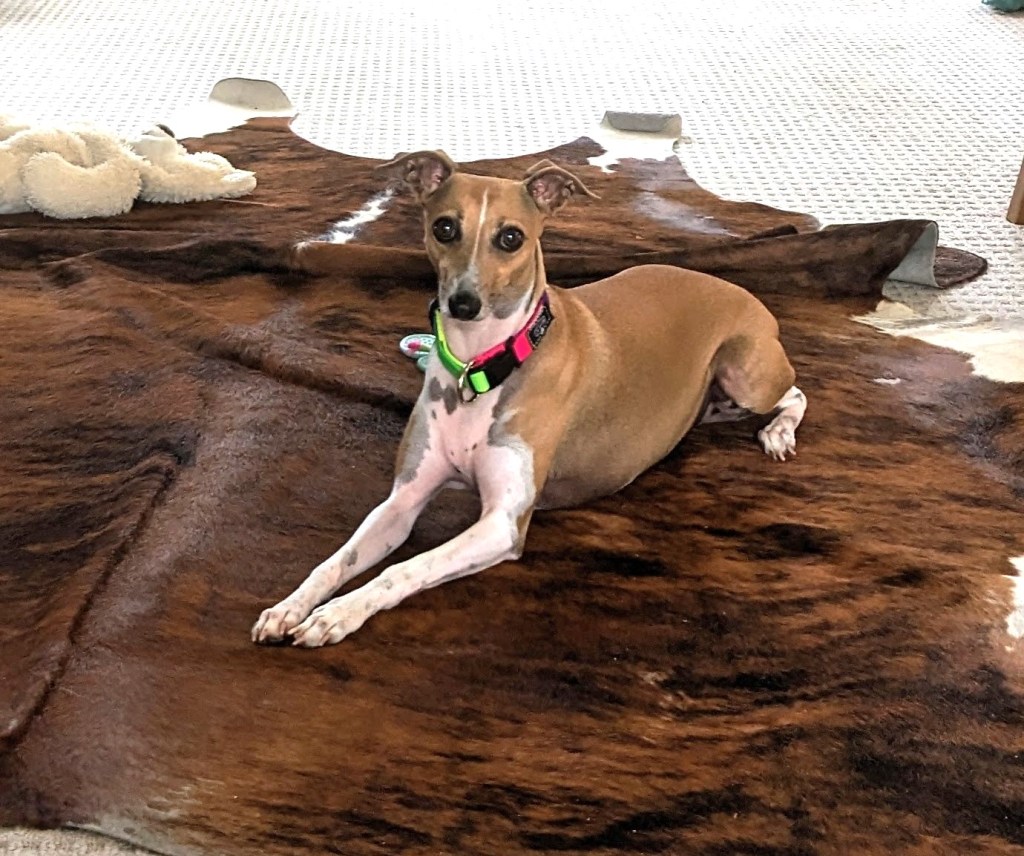
My littly Iggy (Italian Greyhound) is like my shadow. She follows me wherever I go. If I’m upstairs and I come down, so does she. When I go back up, she follows. Even if I’m going into another room to get something, there she is, right behind me. She has multiple sleeping places because of this. A place in every room. She even comes in to the bathroom. My one true companion.
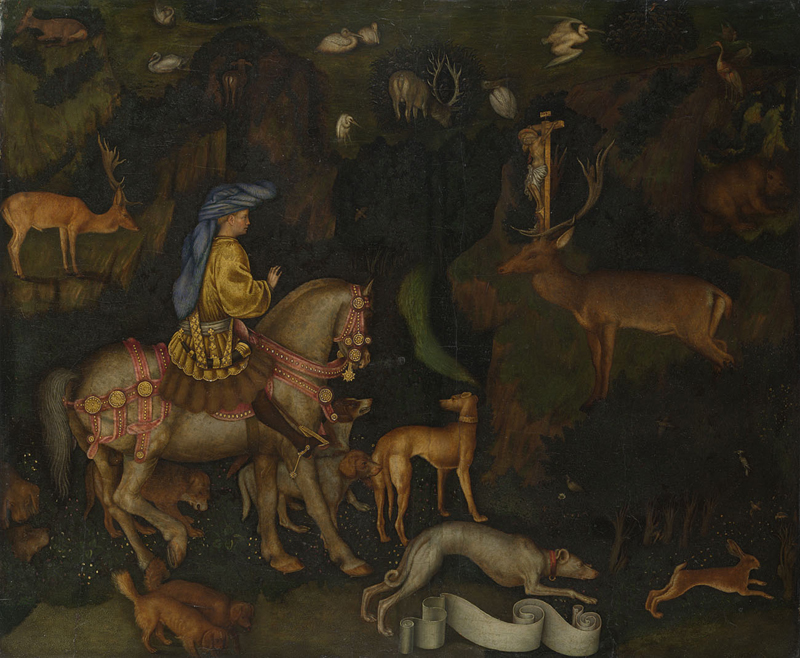
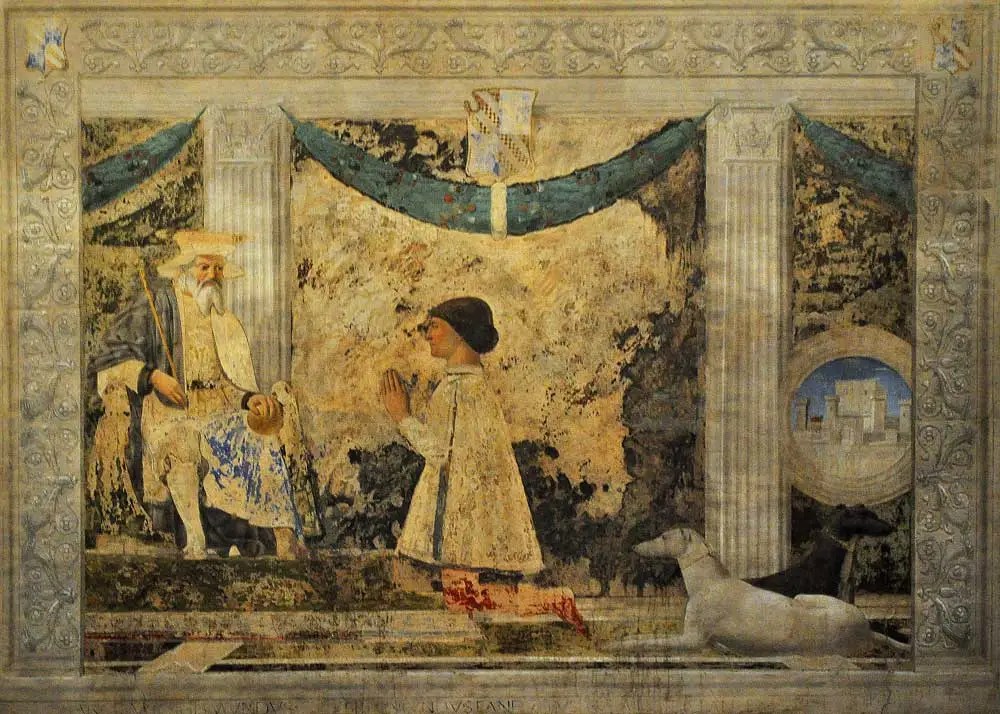
People often wonder about the origin of these dogs: where do they come from? What were they used for? Were they racing dogs? I knew of one painting at the National Gallery of Victoria that depicted an Italian Greyhound, and I knew that they were often the preferred hound of royalty in the Renaissance. My passion for art history led me to explore their provenance.
The earliest depiction of these dogs is in early Mesopotamian hieroglyphs where they were believed to be descendants of jackals. They are also entombed in Eyptian pyramids. In Greek mythology, Atkaeon, while out hunting with his hounds, comes across the goddess Artemis bathing. She turns him into a stag as punishment for oserving her. Atkaeon’s hunting dogs – Italian greyhounds – mistake him for prey and kill him. Such are the cautionary tales of Greek myths.
Aktaeon being torn apart by his hounds; Attic Red Figure Bell Krater by the Pan Painter, 470 BC (Q.A.J. 2012).
These hounds are depicted in paintings in the Middle Ages (5th -14th century) in Southern Europe (predominantly Italy). However it is during the Renaissance, a time of wealth and power and a desire to be immortalised by the best artists, that these greyhounds become associated with nobility and it was due to their popularity that they earned the name Italian Greyhound. Originally used as a hunting dog, they gradually become aristocratic pets. Instances in painting occur with them depicted with royalty and nobility, and their popularioty spread to England, Russia, Denmark and Prussia.
Fantin-Latour, Henri; The Wedding Feast at Cana; National Museums Northern Ireland
In this painting of The Wedding Feast at Cana by Fantin-Latouried the two Iggies in the foreground are tied together by the same leash, one dog lies on the ground and gnaws on a bone while the other stands up alert looking off to the right, pulling at his companion. His attention has been caught by the miracle taking place, as astonished servants see that Christ has transformed water into wine (or maybe the dog is actually transfixed by the cat pawing at the wine jug). We, the viewers, are like these dogs: half of us is consumed by the lavish feast, half focused on the divine event.
Perhaps the most famous painting is the one depicting the love affair between the Roman consul Mark Antony and the Egyptian queen, Cleopatra. Tiepolo represents an account from Pliny’s Natural Hisory (AD 77) which recounts the tale of a famous contest between the Egyptian and Roman rulers whereby Cleopatra wagered that she could stage a feast more lavish than the legendary excesses of Mark Antony.
Tiepolo shows the dramatic moment at the end of Cleopatra’s feast when, faced with a still scornful Mark Antony, she wins the wager with her trump card. Removing one of a pair of priceless pearl earrings, Cleopatra dissolves it in a glass of vinegar and drinks it, thereby causing Mark Antony to lose his bet.
This was one of the paintings that I pointed out to my small children at the gallery in order to imbue a sense of interest in art: “look at the dogs in this painting.” Pointing out such things gets kids interested in looking art. A great technique.
Pisanello The Vision of Saint Eustace about 1438-42 Egg tempera on wood, 54.8 x 65.5 cm Bought, 1895 Portrait of Sir Walter Scott and his Dogs (c 1820)Henry RaeburnSt. Sigismund and Sigismondo Pandolfo Malatesta (1451)Piero della FrancescaSt. Sigismund and Sigismondo Pandolfo Malatesta (1451)Piero della Francesca – detail
Lieutenant Captain Titov sat in a cramped prison cell with about twenty other men, most of them fellow officers of the White Army as well as a middle-aged priest. It was 1922 and Timofey Titov was 27 years old. He had been serving under Admiral Kolchack in the Russian Civil War on a submarine in Vladivostock. He had been arrested by Red soldiers and was now facing execution. One by one the men were called and led out of the cell. The sound of boots crunching on gravel, shouts and gunfire, boomed beyond the walls. Finally, there remained only he and the priest. Titov was a devout Orthodox and asked the priest for absolution. He knelt and prayed. Then the priest too was taken away and Titov sat on his own, his execution looming nearer. When the cell door opened, he was prepared for his fate. He only wished that he could have said goodbye to his wife. A soldier walked in and called his name: “Timofey!” Titov looked up and gave a cry of surprise. Standing before him was one of his former soldiers. But in a Red Army uniform. He motioned to Titov to be quiet and told him that although he had changed sides, he was still loyal to his commander and that he would help him. He asked him if he would provide information about himself, his date of birth, rank, and a brief outline of his life. Titov consented and was given pen and paper. The soldier then told him that he would come back when it was time for the changing of the guard. Titov should quickly go out into the yard and then through the main gates which would be open. “They won’t notice you in all the confusion,” he said, “but you have to be quick. You only have 12 hours to be gone out of Vladivostock. After that they’ll notice you’ve gone and send out a search party to arrest you.” On a small scrap of paper, he wrote down the name of a Chinese man who would guide him across the border.
And so, with the changing of the guard the soldier came and opened the cell door and motioned to Titov who walked quickly out of his cell and out of the yard and then ran all the way home. He briefly told his wife, Marina, what had happened, saying that he would explain everything later, but now they had to leave. He made it clear that she didn’t need to go with him, that she would be risking all. Marina agreed to go without hesitation. They had to wait until it was well and truly dark before setting out. Marina put on two sets of clothes and her fur coat. Her mother gathered some gold and jewellery and tied it into a handkerchief telling Marina to put it into her girdle. She gave her an icon (which is still in the family), kissed Marina and Timofey and wished them God speed.
The Chinese guide led them stealthily across the border into Manchuria where another Chinese man helped them to Harbin. It was a journey of some 880 kms and took them weeks to complete. Marina never saw her mother or family again.
So began the story of my maternal grandparents’ flight into Harbin and their life in exile. This story, told to me by my mother, was the one that sparked my interest in my family history. Prior to this I had only a vague understanding of what a “White Russian” was.
When I was in secondary school the Headmistress once asked me if my family were White Russians. I didn’t know what she meant. Yes, they were Russians, and they weren’t dark-skinned….so yes, they were White Russians. She asked if they were from Petersburg. I said no, Harbin. “Ah,” she said, “an interesting history.” At the time I didn’t know that Harbin was an unusual place. I actually didn’t know anything about Harbin. I had no idea that it had been a little microcosm of pre-revolutionary Russianness in Manchuria. When asked where my parents were born, I would say that my mother was born in China. This was always met with scepticism and the comment that I didn’t look Chinese. This is the routine response with which all children of Harbin Russians are met. I would state that either my grandmother or my grandfather was Chinese whilst the other was Russian. It seemed easier than trying to explain. No-one has ever questioned me about this.
Hearing about my grandparents’ flight to Harbin sparked me to think that this was not a usual kind of history and that it should be preserved. It also occurred to me that my mother was the keeper of this narrative and being in her 80s, this narrative, if not documented would disappear and with it, not only my own family’s history but so too the history of Harbin Russians in Australia (as most of them came out as young adults in the late 1950s.) Those who were younger claim they were too young to know anything about what was going on at the time so were not in a position to be advocates for this history.
I came to realise that it was a history that was little known by other Russians as well. I had recently met a few Russians who had emigrated in the last 10 years or so from Russia and when I told them about my mother being a Russian from Harbin, they had no idea of what that meant. Harbin’s history – the history of the White opposition to the communist Revolution and Stalin’s Soviet Union – had been eradicated from the Soviet Union’s version of Russian history.
Russian memories are thus divided between two Russias: the Soviet Union and Russian émigres. The émigres created sites of memories[1]to assert their connections to the Russian past and remind people not to forget them and their version of Russian history, whereas Soviet Russia – through its journalists and propaganda – sought to sever the USSR from the Russian past and separate the first socialist society from its enemies in the present.
The selective memory of life in an idealised pre-revolutionary Russia helped Russian émigrés cope with the experience of exile, and of living within a liminal state. These Russians outside Russia developed their own narratives of Russian history, memories that countered the centrality of the Soviet experience and denied the legitimacy of the Bolshevik government.
In China, Harbin’s history has similarly been redacted. The last of the White Russian emigres left China in the 1960s. Manchuria, is no longer. The Chinese Communist Party took over the province and it is now known as the region of northeastern China, covering the provinces of Liaoning (south), Jilin (central), and Heilongjiang (north). Harbin is now the capital of Heilongjiang.
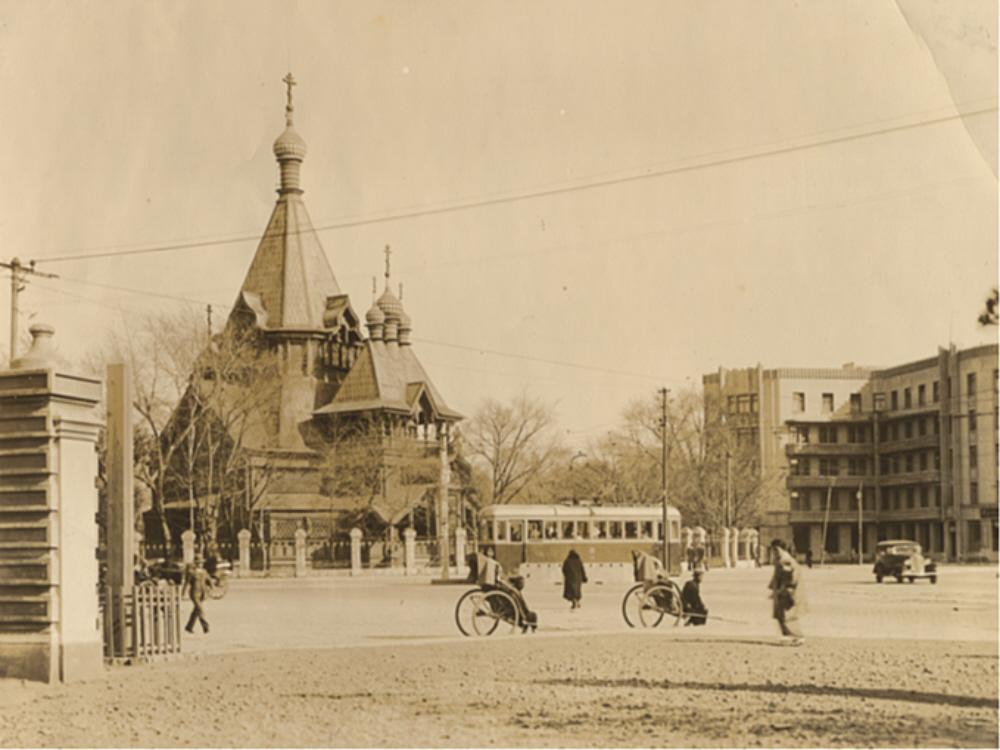
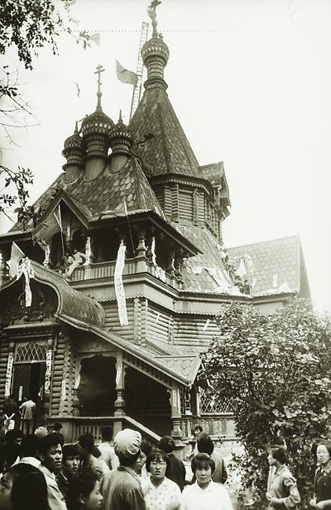
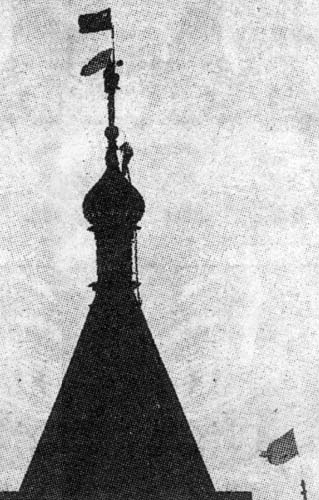
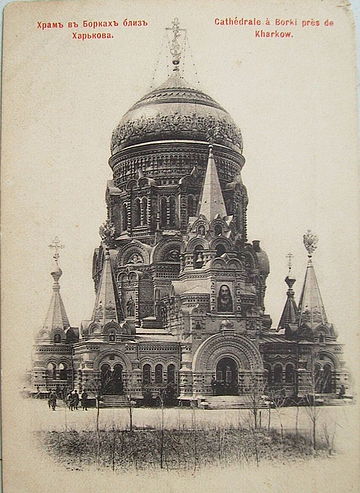
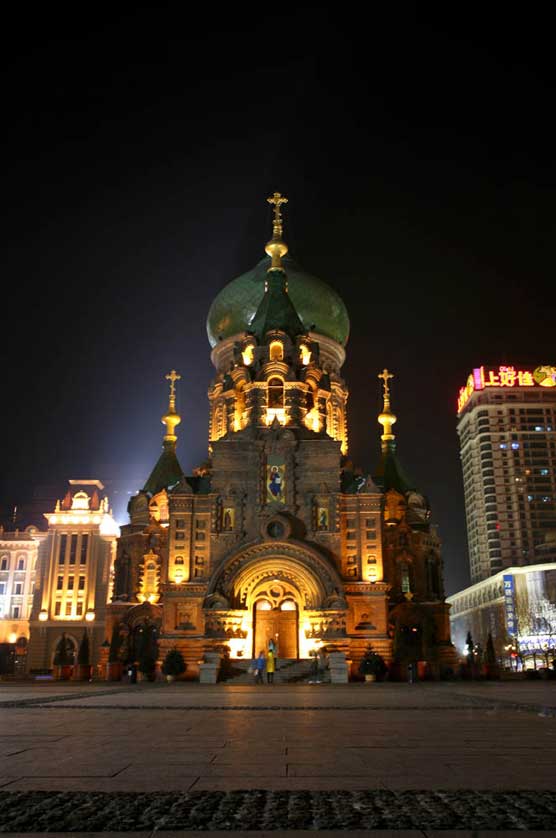
The many churches that once graced Harbin have disappeared – the iconic wooden St Nicholas Cathedral built in 1900 without a single nail was desecrated and pulled down by young revolutionary Chinese Red Guards in 1966. St Nicholas had stood as a powerful symbol of Russian presence, both physically and spiritually, in the middle of the square opposite the Railway Station, which also has been remodelled. Another major Russian site, St Sophia, built in 1907 was also closed during the Great Leap forward (1958-62) and then turned into a museum in 1997.
More dishearteningly, Russian cemeteries have been bulldozed and headstones used for paving. This desecration has been a shocking discovery for some former Harbiners who returned to Harbin, finding themselves walking on the headstones of their ancestors. The vestiges of Harbin – once a thriving Russian city with Russian shops and Russian street signs – remain only as museum pieces, as remnants of a quixotic enterprise.
The Chinese do not acknowledge Russia’s role in the construction and development of Harbin. Nor do they acknowledge the date of Harbin’s construction (1898). The fact that the Russians built the Chinese Eastern Railway from Siberia, across northern inner Manchuria via Harbin to Vladivostock, without which China could not have prospered and developed its rich resources, are not mentioned. Instead, the revisionism of Harbin locates it as a Chinese city, complete with new archaeological findings to prove its provenance. We Qu, editor of “The Jews in Harbin”, masterfully changed history by saying that “Harbin has a long history that goes back 5000 years.” For them, Harbin was always a Chinese city with Chinese presence. Their refutation of its colonial past extends to not acknowledging the centennial of Harbin in 1998.
Historical revisionism is also evident in a memorial to Soviet soldiers which was quickly constructed at the Harbin Huangshan Russian Orthodox Cemetery in October 2007. It contains a large monument and many identical “graves” with red-starred tombstones (presuming to bear the names of Russian soldiers who died while attempting to overthrow the Japanese and liberate the Chinese in 1945). This Russian War Memorial Cemetery was completed in just two weeks following the signing of a joint strategic document between Russia, China and India in the first week of October 2007. It was in effect a tacit revision of history by both the Russian Foreign Minister who approved the construction/development and the Chinese. The irony of this isn’t lost on former Harbiners who know that the Soviets had banned Russian Orthodox religion.
Is there such a thing as objective history? The veracity of history is never clear. It comprises infinite numbers of variables that can be included or discarded. It also depends on who is writing that history. The contrivance of history is aptly summarised by migration scholar Carl Becker as “an unstable pattern of remembered things redesigned and newly coloured to suit the convenience of those who make use of it.”[2]
In my research – which aims to provide agency to the lived experience of Harbiners in Australia, I have relied on questionnaires, interviews, memoirs and published articles alongside scholarly texts. However, the reliability of historical memoirs and narratives presents a challenge in the construction of this narrative. Memories are fallible. My interviewees are ageing. Things are not always clearly remembered. And the personal histories are subject to nostalgia which blurs the discomforts of reality into a more acceptable version of the past. They often omit the uncomfortable aspects such as for instance, anti-Semitic and fascist conflicts, the horrors of the Japanese occupation; the terror of the Soviet SMERSH (an arm of the KGB) under Soviet “liberation,” the imprisonment and execution of former White army soldiers and officers or anyone who collaborated with the Japanese, whether voluntarily or not.
Historian Dan Ben-Canaan uses the term “historical reality” to counter the subjective or nostalgic or indeed the political versions of history. He states:
Historical reality deals with the actuality of existence. It is not fiction. There is no concern with the prettification of what was not with its ugliness. It is a presentation of the past as is, as it was.[3]
My aim is not to construct a history of former Harbin but to interrogate the historiography and to provide some nuance to that history through the lived experiences of these former Harbiners. I believe that history is both the objective rendering of facts and the subjective narratives of the lived experience. Whilst the facts and figures give us the raw data, the memories of the lived experience provide us with a glimpse of a former life and an insight into difficulties encountered by a generation so very different from our own. They provide us with an understanding of what “identity” means; a glimpse of what it means to hang on tightly to an identity shaped by language, culture and traditions – and indeed, why – or of how to forge a new identity based on new experiences. They also provides insight into how resilient emigres/migrants/refugees are and how valuable their contribution is, by shining a spot-light onto an otherwise un-known culture and place.
[1] Pierre Nora defined these as “Lieux memoire” – memory places – material, symbolic and functional. They are touchstones for the community (and historians) to connect with the past through a connection with place. Pierre Nora, Realms of Memory: The Construction of the French Past. I: Conflicts and Divisions, ed. Lawrence D. Kritzman, trans. Arthur Goldhammer (New York: Columbia University Press), 14.
[2] Carl L. Becker. Everyman His Own Historian: Essays on History and Politics (Chicago Ill.: Quadrangle, 1966), 253-254.
[3] Dan Ben-Canaan, “Nostalgia vs. Historical Reality: Imagined Communities, Imagined History,” The Sino-Israel Research and Study Center. The Harbin Jewish Culture Association, 2014, 6.
[2] Pierre Nora defined these as “Lieux memoire” – memory places – material, symbolic and functional. They are touchstones for the community (and historians) to connect with the past through a connection with place. Pierre Nora, Realms of Memory: The Construction of the French Past. I: Conflicts and Divisions, ed. Lawrence D. Kritzman, trans. Arthur Goldhammer (New York: Columbia University Press), 14.
[1] Carl L. Becker. Everyman His Own Historian: Essays on History and Politics (Chicago Ill.: Quadrangle, 1966), 253-254.
[3] The Memorial Cemetery for the Fallen Russian Soldiers
[4] Carl L. Becker. Everyman His Own Historian: Essays on History and Politics (Chicago Ill.: Quadrangle, 1966), 253-254.
[5] Dan Ben-Canaan, “Nostalgia vs. Historical Reality: Imagined Communities, Imagined History,” The Sino-Israel Research and Study Center. The Harbin Jewish Culture Association, 2014, 6.
St Nicholas Orthodox Church, Harbin
The destruction of St Nicholas by the Chinese Red Guards
“In the roaring traffic’s boom In the silence of my lonely room I think of you…Night and day” Cole Porter
There’s a huge void in my life and I feel like I’m existing on the periphery. I visualise it as a huge round black depthless hole with a narrow pathway around the perimeter. I inhabit this space tentatively. Negotiating my way on the path that seems to only go around. I’m not going anywhere, I’m just circumnavigating the same spaces.
Going through the motions, waiting, waiting. I think I’m waiting for M. I find myself waiting for him all the time – lying on the sofa, lying in bed. When I realise he’s not going to arrive I feel disappointed. He will never come back. I miss him. I think about him all the time. It’s not conscious. He just comes into my thoughts. When I’m driving, when I’m shopping, when I’m out walking Mia. Putting out the rubbish, hanging out the clothes, cooking. Each time I put things away in the fridge (because this is something I never used to do and it would drive him crazy). So many moments of absence. So many things cause me to think about him. So many triggers. The other day a smell brought me straight back to Vietnam; stepping out of the shopping centre into the humidity of the car park reminded me of the heat in KL. I remember how we strolled about in various exotic locations on holidays. Makes me sad when I realise I will never have moments like that again. I will never experience being with him in KL or Vietnam or Thailand or any of the other places we went to. I will never holiday like that again. We always travelled so well together. We were great holiday companions, comfortable and relaxed. Happy.
And that is just one tiny part of this void. Sometimes it feels huge and all-consuming. Like I don’t know where to put myself or what to do with myself. I exist but without any sense of purpose or meaning.
I miss him so much. Sometimes I find myself driving and gripping the steering wheel pleadingly wondering “Michael where are you?” I still can’t believe he is no longer in my life. No longer in this world. His absence is huge. And sometimes it makes me want to weep or let out a scream of anguish. It makes me feel infinitely lonely. A loneliness that is linear and ongoing without abatement. It’s there beneath the surface. Reappearing after moments of being absorbed or engaged or involved in something else. Moments of having some good times or just enjoying things. They tell me it will pass. They tell me this grief will lessen… and so I wait.
It was M’s birthday the other day and that night, for the first time since his death, I dreamt about him. It wasn’t a comfortable dream. I found myself desperately trying to get back to him from wherever I was. Finally, I managed to find a pay phone and I inserted my coins and rang his mobile number but someone else – a stranger – answered. I hung up and tried again. This time Michael answered the phone and I started to tell him how I needed to get back to him but his voice was growing fainter and he couldn’t hear me. I hung up weeping. Distressed. I needed to get back to him. Desperately. But it was no longer possible.
I then found myself walking along a path and I noticed at its edge a deep abyss. Some people were throwing themselves off but others were trying to get back from it. The clouds and colours of the abyss and beyond were dark and violet, vaporous and not of this world. (von Guerard’s painting comes to mind but that is more romantic and less apocalyptic than the one in my dream). I shied away from the edge and crouched down under a cave-like opening, crying, weeping, knowing I was alone and could never get back to Michael. I woke feeling distraught. My sense of loss, of missing him has become so poignant.
And last night – or early this morning – I had another dream about him in a similar vein. This time I was looking for him in a building that was like a house but was actually a school. In the dream I’m sure I had seen him there but I couldn’t find him. I went to his office but the door was closed and there were people outside. I told them I needed to find Michael and that Michael was in the office. But they said no. I started calling out for him. Finally a woman opened the door and I saw that it was no longer Michael’s office. Michael wasn’t there. I realised he was gone. No longer here, and again I broke down in tears of grief, knowing I was alone.
I feel as though I am only now treading the path of grief and loss and understanding (or at least trying to) that he is gone, no longer a part of my living life and just how alone I feel without him. And just how much I miss his presence in my life. I find myself calling out in my head to him “Michael, come back. Come back to me. I miss you.”


















 tania j layden